Some thoughts on the Alberta- Canada Memorandum of Agreement
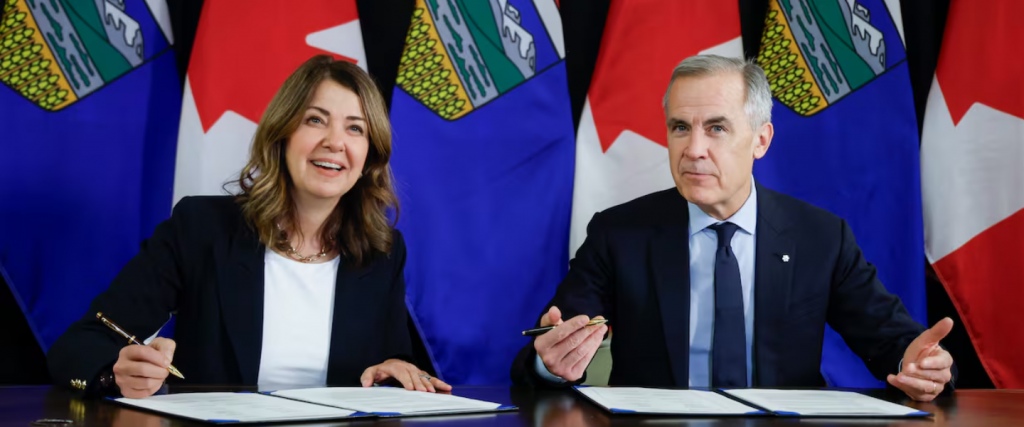
Last week, Prime Minister Carney and Premier Smith announced a framework agreement (the MOU) covering several topics relating to energy, climate policy, and major project development between the governments of Canada and Alberta. Certainly, some elements of this MOU have raised questions on the part of folks who live in this riding of North Vancouver–Capilano.
Positively, the Canada–Alberta MOU can help to reset a more constructive tone in Alberta-Canada relations after some difficult times, and it provides for greater long‑term certainty around industrial carbon pricing – a key tool in the fight against climate change and a policy area where Canada and Alberta have now committed to a minimum effective price. This kind of clarity is important for driving investments in cleaner technologies and for ensuring that large industrial emitters reduce their emissions over time while maintaining good jobs and economic opportunities for workers.
However, the commitment in the agreement to explore a second bitumen pipeline to the British Columbia coast – likely toward the north coast – as well as the adjustment or removal of a number of existing federal climate policies, including the proposed oil and gas emissions cap, the Clean Electricity Regulations and the methane reduction regulations, have raised a number of questions. Many constituents have asked what this could mean for British Columbia, for Indigenous communities along any potential route, and for Canada’s ability to meet its 2030 and 2050 climate commitments.
Over the past week or so, I have been asked questions by media on the pipeline matter – and I have responded by underlining key criteria that the Prime Minister has emphasized are required for any major project – including any new pipeline proposal – to move toward fruition.
First, any proposed project will need to have support from jurisdictions directly impacted – in this case, the Government of British Columbia. The Prime Minister has been clear that any potential proponent (and no such private sector proponent presently exists) will need to seek the support of the B.C. government.
Second, any project would need support from potentially impacted Indigenous communities. That means early, meaningful, and transparent engagement on a government‑to‑government basis, opportunities for Indigenous equity participation where communities choose it, and some reasonable level of support from potentially impacted indigenous communities. In this case, this very much incudes the Coastal First Nations.
Third, any major project needs to be in accord with Canada’s plans and commitments regarding climate change – both the interim 2030 target and the goal of net zero by 2050. Prime Minister Carney, just two weeks ago, reconfirmed this government’s commitment to achieving these targets. In the case of a proposed bitumen pipeline this requirement would mean ensuring that any incremental upstream emissions are incorporated into any forthcoming updated climate plan.
Taken together, these are reasonable requirements for major resource development projects. As a BC Member of Parliament – and as someone who has previously served as Minister of Environment and Climate Change and Minister of Energy and Natural Resources – I will obviously be following these matters closely and will work to ensure that these requirements remain a focus as discussions evolve.
Within the past week, I have discussed these issues and criteria in some depth in a number of television interviews. Please find below links to two of these interviews. I hope they may provide folks with useful context as public discussion of these important matters continues.
I am happy – as always – to hear from folks and to answer any questions you may have about the MOU, about Canada’s climate plan, or about how these issues relate to North Vancouver–Capilano and to other communities here in B.C.
Jonathan Wilkinson
Member of Parliament for North Vancouver- Capilano